

Assistante pour un collectif artistique il y a une dizaine d’années, j’ai participé pour la première fois à la création d’une exposition. Mon travail consistait à sélectionner des artistes pour un événement du programme off de la biennale de Sao Paulo. Assez vite, j’ai privilégié un mode de travail collaboratif en demandant aux artistes comment leur pratique se situait par rapport au concept de l’exposition. Cela me convenait plus que de convoquer des travaux d’artistes pour illustrer une vision curratoriale. Depuis, cette manière de faire est devenue ma marque de fabrique. Cette expérience m’a également incitée à me former en faisant un master à l’Académie des Beaux-Arts de Vienne.
Ten years ago, as an assistant to an art collective, I was involved for the first time in the creation of an exhibition. My job was to coordinate the selection of artists for an event in the Sao Paulo Biennale's off-program. Having no prior reference point, I opted for a collaborative mode of working, asking the artists how their practice could enter into dialogue with the exhibition concept. Since then, using the conversational form as a curatorial structure has become my personal methodology. Wishing to expand my knowledge after this first Brazilian experience, I completed a Master's degree at the Academy of Fine Arts in Vienna.
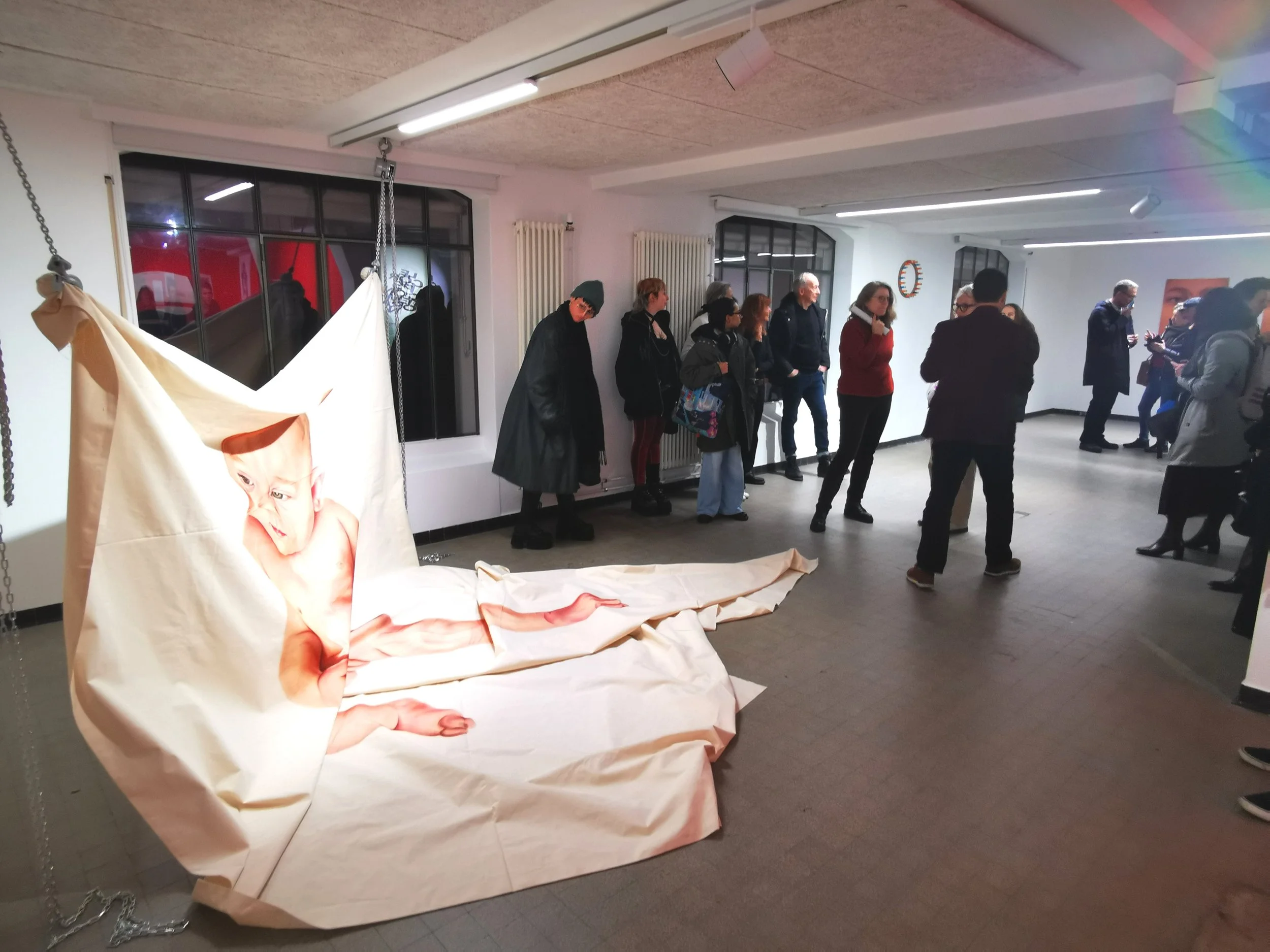
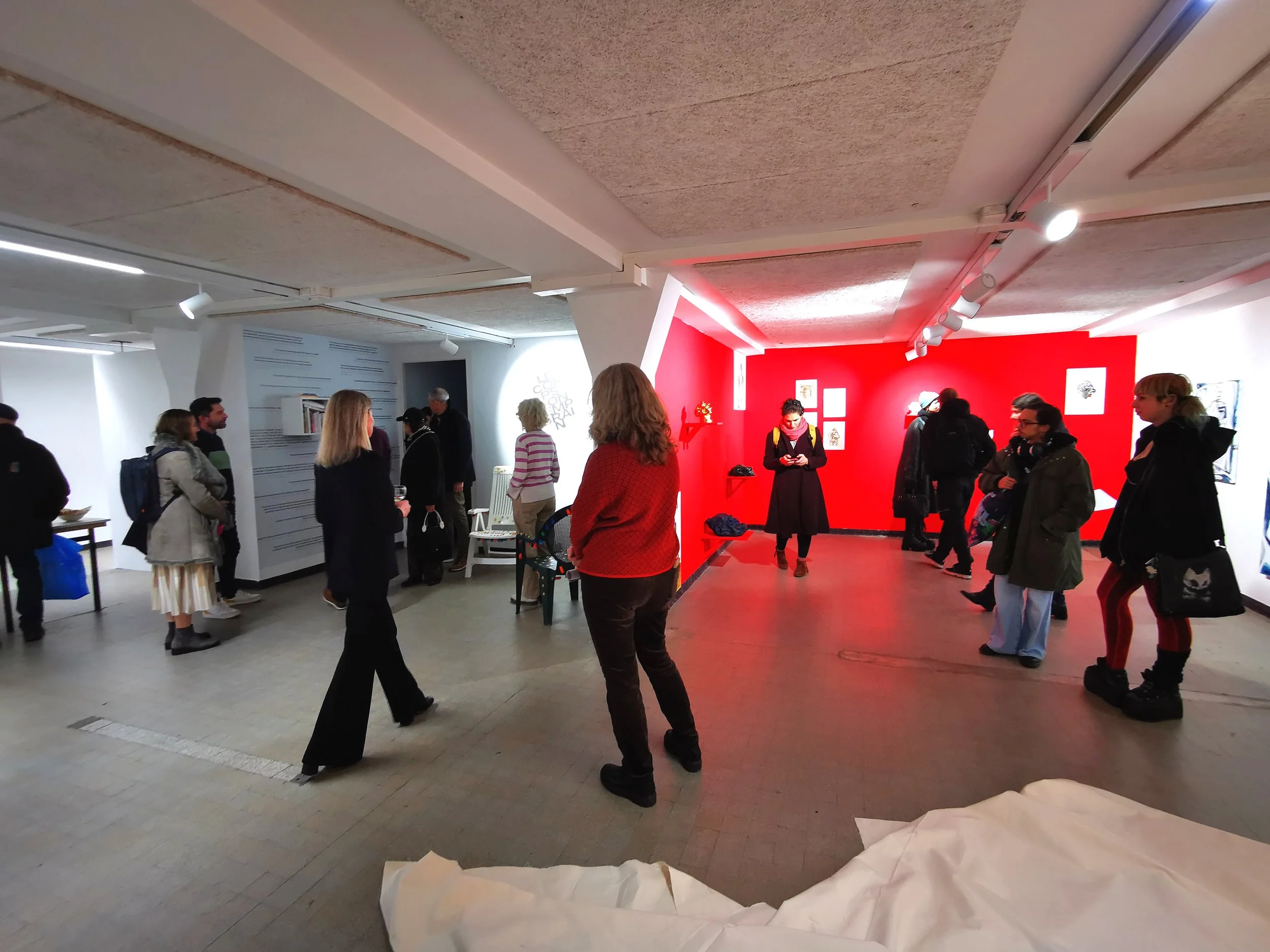
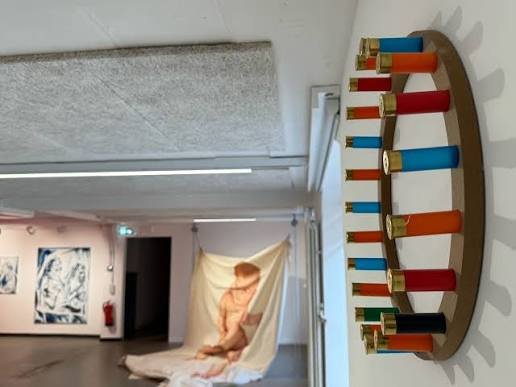
Anatomie d’une crise
Espace Témoin, Geneva, Switzerland, 2026
Artists: Zoé Aubry, Henri Beaufour, Fabienne Berger, Lara Marino, Angela Marzulo, Sylvie Wozniak / Curating: Frédéric Elkaïm, Catalina Ravessoud, Sarah Zürcher
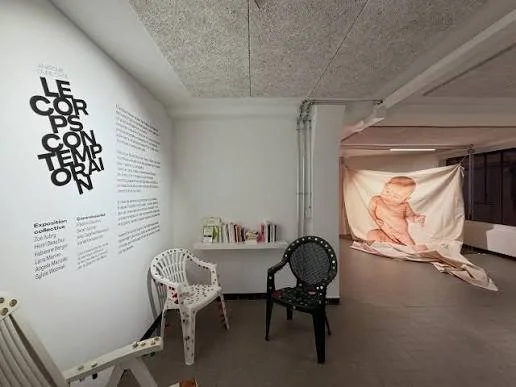
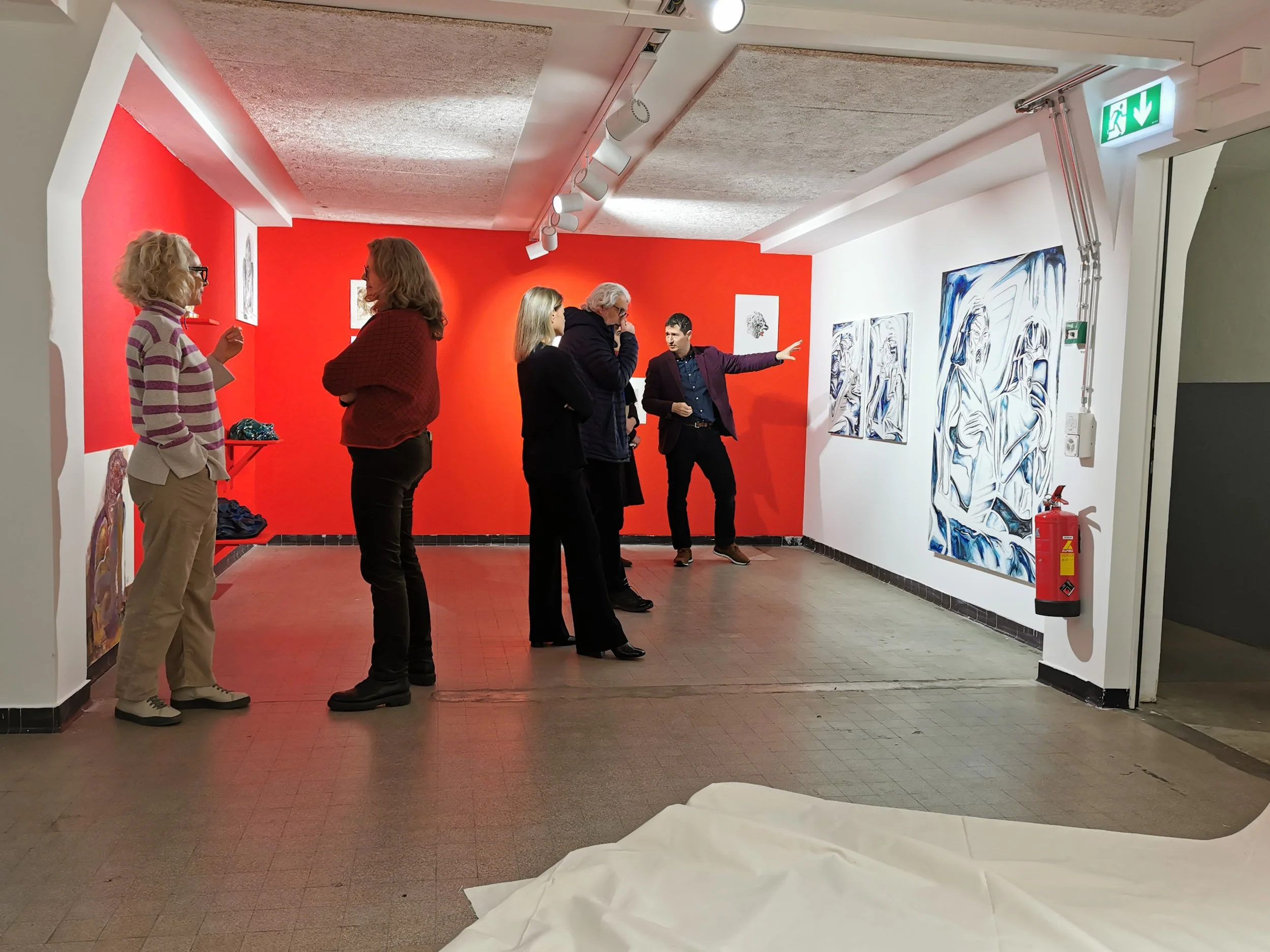
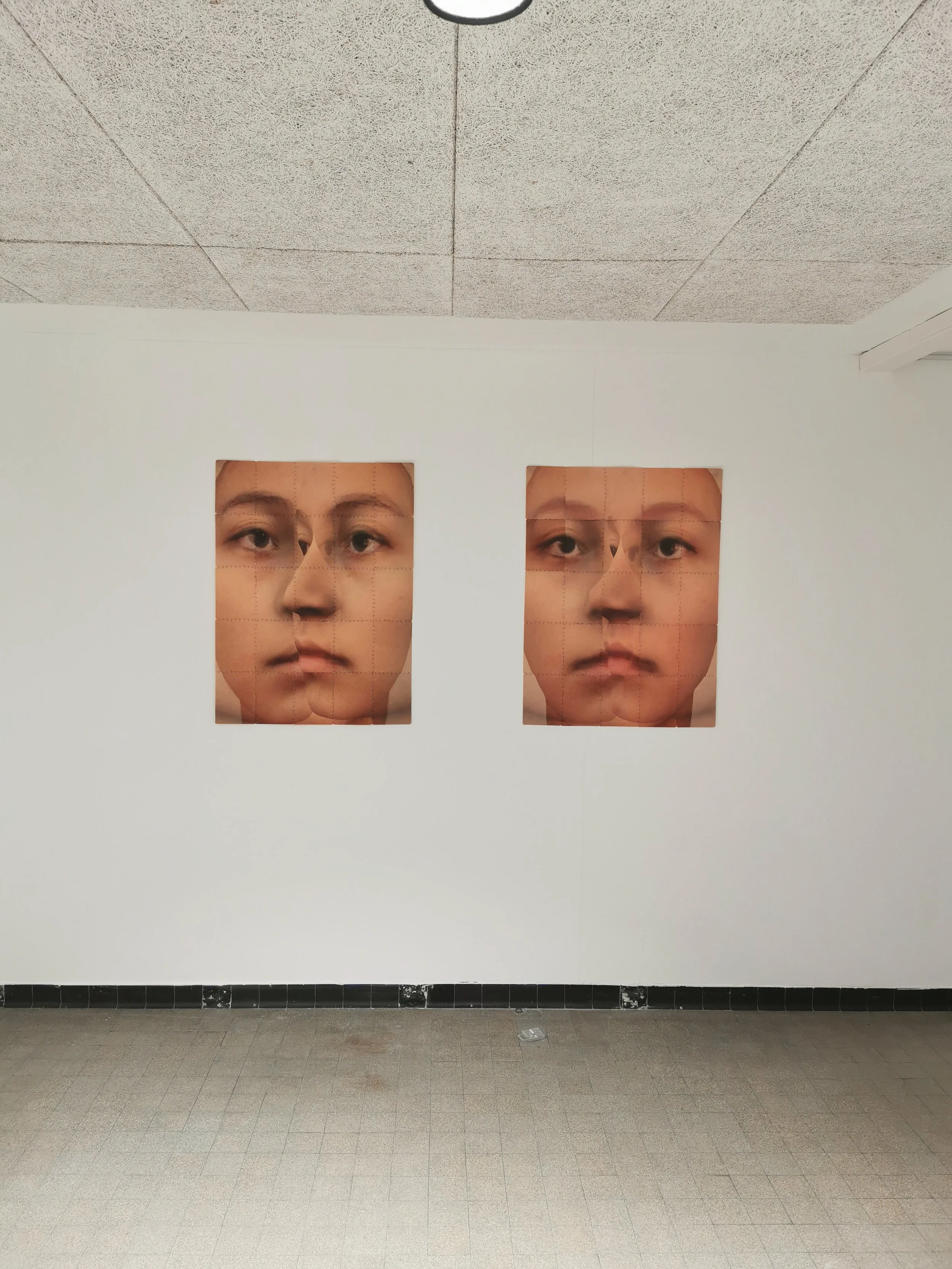
Anatomie d'une crise interroge la place du corps dans un monde saturé d'images, d'algorithmes et de normes. Face aux logiques de dématérialisation et de standardisation du vivant, l'exposition réaffirme la puissance de la matière et la physicalité du corps comme espace de résistance. Corps fragmentés, altérés ou en mutation y dialoguent avec une bibliothèque vivante, à laquelle j'ai donné forme, réunissant Foucault, Haraway, Butler ou Preciado. Entre disparition et persistance, les œuvres redonnent au corps sa densité et sa force.
Anatomie d'une crise explores the place of the body in a world saturated with images, algorithms, and norms. In the face of the dematerialization and standardization of living beings, the exhibition reaffirms the power of matter and the physicality of the body as a space of resistance. Fragmented, altered, or mutating bodies enter into dialogue with a living library, to which I gave form, bringing together Foucault, Haraway, Butler, and Preciado. Between disappearance and persistence, the works restore to the body its density and strength.

Field Within
Xhibit, Vienna, Austria, 2019
Artists: Abdul Sharif Baruwa, Cana Bilir-Meier, Juliana Borinski, Guillermo Gómez-Peña & Balitronica Gómez (La Pocha Nostra), Verena Melgarejo Weinandt, Stephanie Misa, Érika Ordosgoitti / Curating: Gudrun Igenthron (Catalina Ravessoud, Maria Elena Rodriguez)
Field Within, s'interroge sur les dynamiques d'inclusion et d'exclusion et sur les politiques de marginalité. Pour ce faire, elle présente des œuvres d'artistes qui traitent des thèmes de l'altérité, de l'engagement et de l'autoreprésentation. Les œuvres d'art, en se référant -directement ou indirectement- aux méthodes employées en anthropologie ou en ethnographie, traitent d'une certaine forme de "scientificité" véhiculée par ces disciplines. Par un regard sceptique, Field Within aborde le paradigme de l'anthropologue dans les arts.
Field Within, inquires the dynamics of inclusion and exclusion, and politics of marginality. It does so by presenting works of artists dealing with the topics of alterity, engagement, and self-representation. The artworks, by referring -directly or indirectly- to the methods employed in anthropology, or ethnography, deal with a certain kind of “scientificity” carried by these disciplines. Through a sceptical look, Field Within addresses the paradigm of the anthropologist in the arts.


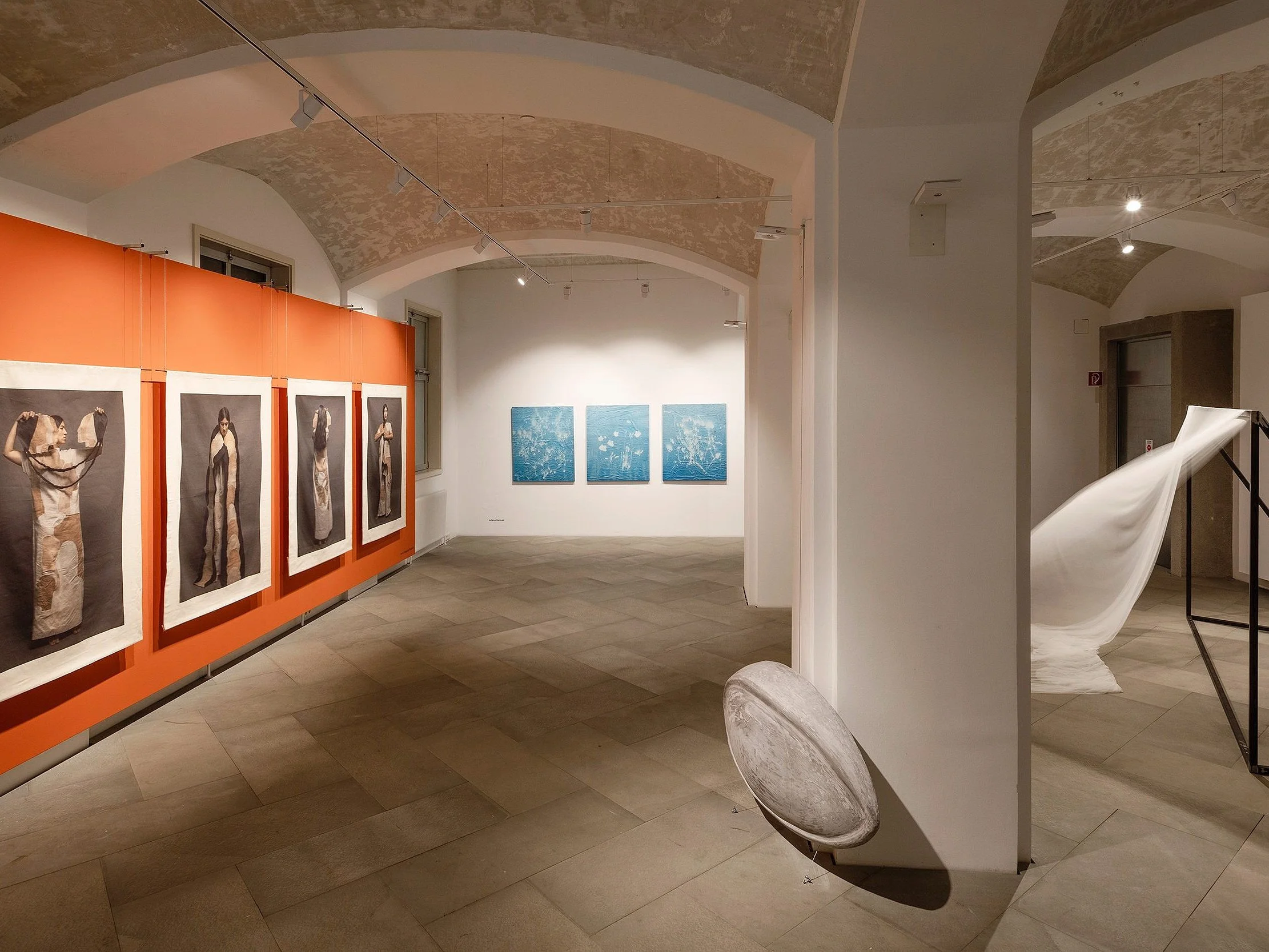


Virtual Virtue
FranzJosefsKai3, Vienna, Austria, 2018
Artists: Hong Zeiss, Michael Kral / Curating: Gudrun Igenthron (Catalina Ravessoud, Ana de Almeida)
Virtual Virtue est une exposition sur la peinture. La peinture au-delà de la peinture, la peinture en tant que matière elle-même, en tant que médium qui détermine les moyens de sa propre transcendance. L'exposition est conçue comme une installation à grande échelle. Ici, le vrai et le faux se côtoient: une colonne factice, à la fois support et oeuvre vient ponctuer l’espace. Autour, les accords picturaux idiosyncrasiques de Hong Zeiss et Michael Kral se trouvent déconstruits puis ré-agencés.
Virtual Virtue is an exhibition about painting. Painting beyond painting, painting as a material itself, as a medium that determines the means of its own transcendence. The exhibition is conceived as a large-scale installation. Here, the real and the fake are side by side: a fake column, both support and work, punctuates the space. Around it, the idiosyncratic pictorial arrangements of Hong Zeiss and Michael Kral are deconstructed and then rearranged.


No Need for References(?)
Kunsthalle Exnergasse, Vienna, Austria, 2015
Artists: Andreas Hochuli, Yota Ioannidou, Nuno da Luz, Sandra Monterroso, Berenice Olmedo, Alicja Rogalska / Curating: Gudrun Igenthron (Catalina Ravessoud, Ana de Almeida, Maria Elena Rodriguez)
No need for references, exposition dont le titre n’est ni une thèse, ni une instruction, a souhaité interroger les liens entre production artistique et production de connaissances. En thématisant la pratique de la recherche, ce projet intervient dans le débat omniprésent autour du concept d’« artistic research ». Conçue comme une plateforme proposant trois perspectives curatoriales, No need for references convie les œuvres de six artistes et met en dialogue les relations que chacun d’entre eux entretient avec la recherche en art.
No need for references, an exhibition whose title is neither a thesis nor an instruction, questions the links between artistic production and knowledge production. By thematizing the practice of research, this project intervenes in the omnipresent debate around the concept of "artistic research". Conceived as a platform proposing three curatorial perspectives, No need for references invites the works of six artists and puts into dialogue the relations that each of them has with art research.


Select and Dispossess
Kunsthalle Exnergasse, Vienna, Austria, 2013
Festival with Cinenova : Karolin Meunier, Charlotte Procter, Kerstin Schroedinger, and other members of Cinenova Working Group
Invitée par la Kunsthalle Exnergasse, Cinenova a proposé le festival Select and Dispossess. Enracinée dans les milieux féministes des années 80, Cinenova est une association qui archive, distribue et restaure des films et vidéos féministes de 1920 à nos jours. Intéressé par la production de récits alternatifs et par la notion très subjective d'objectivité, le festival a remis en question les schémas dans lesquels tous les récits sont intégrés. Pour ce faire, des intervenants ont été invités à animer un programme auquel j'ai participé.


